
A Twice-Monthly Founder’s Letter
Sent from Brittany during an Atlantic storm in early spring
Ça va souffler fort.
Big weather coming.
That’s what everyone was saying by Wednesday morning in the harbor at Doëlan.
You could feel it before sunrise. The Atlantic had already turned steel-grey beyond the cliffs of Finistère, and by breakfast the wind was pushing hard enough across the terrace to send chairs dancing across the stone.
A proper one.
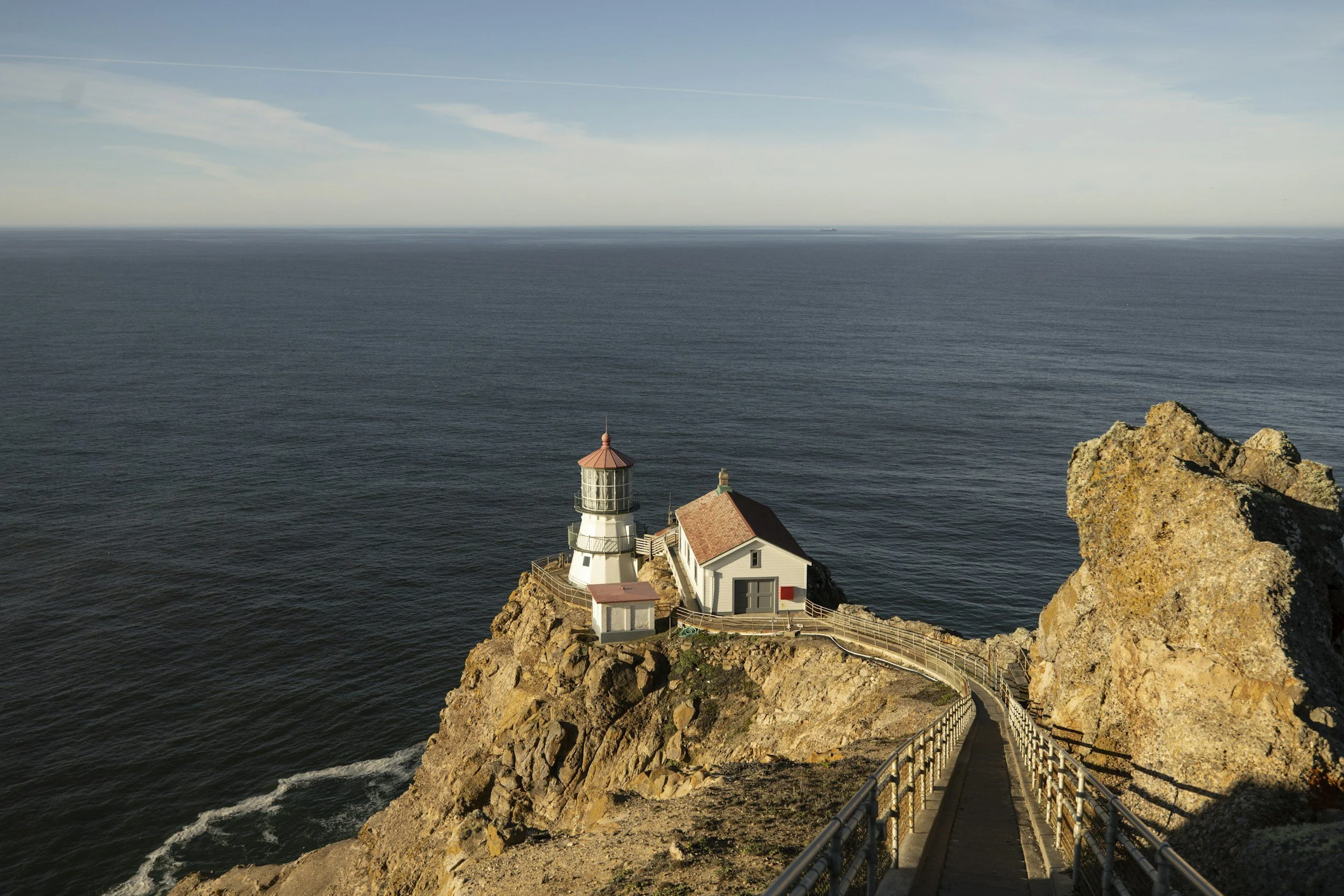
I spent most of my twenties at sea and when the weather shifts like that, I wake around 4 a.m. to listen for it. I can’t shake the habit…
Most guests changed their plans pretty quickly once the rain arrived sideways on the Cornouaille coast.
Frankly, Brittany is better this way anyway.
The house became quieter by afternoon. Fires lit early.
Wet boots at the entrance. Books everywhere.
One guest from Boston spent nearly three hours in the library reading by the window overlooking the port. Before leaving, she mentioned she had once read Le Cheval d’Orgueil years ago in university and had been trying to find a good English translation ever since. I’ve been attempting to track one down for her this week through a friend in Quimper.
Meanwhile Chef Yann declared the weather had won the afternoon and butter was the reward, so he brought out an unplanned goûter around four o’clock.
Hot apple tea infused with thyme from the garden. A splash of Breton whisky for those who wanted it. And warm slices of kouign-amann - his grandmother’s recipe, the kind made with far too much butter and absolutely no regret about it.
By evening the rain was coming down in sheets and we could barely see the lights from the fishing boats returning toward the harbor.
One of the older fishermen downstairs shrugged before his second glass of wine. His eyes said there was nothing else to do but wait it out, he’d seen worse. Then he said, “C’est la Bretagne.”
And that was more or less the end of the conversation.
Letters from the Archives
A selection of excerpts from monthly and twice-monthly
Founder’s Letters written for places with a strong sense of place.


A Monthly Founder’s Letter
On mountain rhythms and inherited hospitality
My grandfather built this house in 1968, when Argentière was still far more climbing village than destination, and he used to say that mountains have very little interest in who you are elsewhere.
As a child, I never fully understood what he meant by that. Only later, after years of living in the Vallée de Chamonix-Mont-Blanc and watching guests arrive carrying all the usual urgency of modern life with them did I begin to understand.
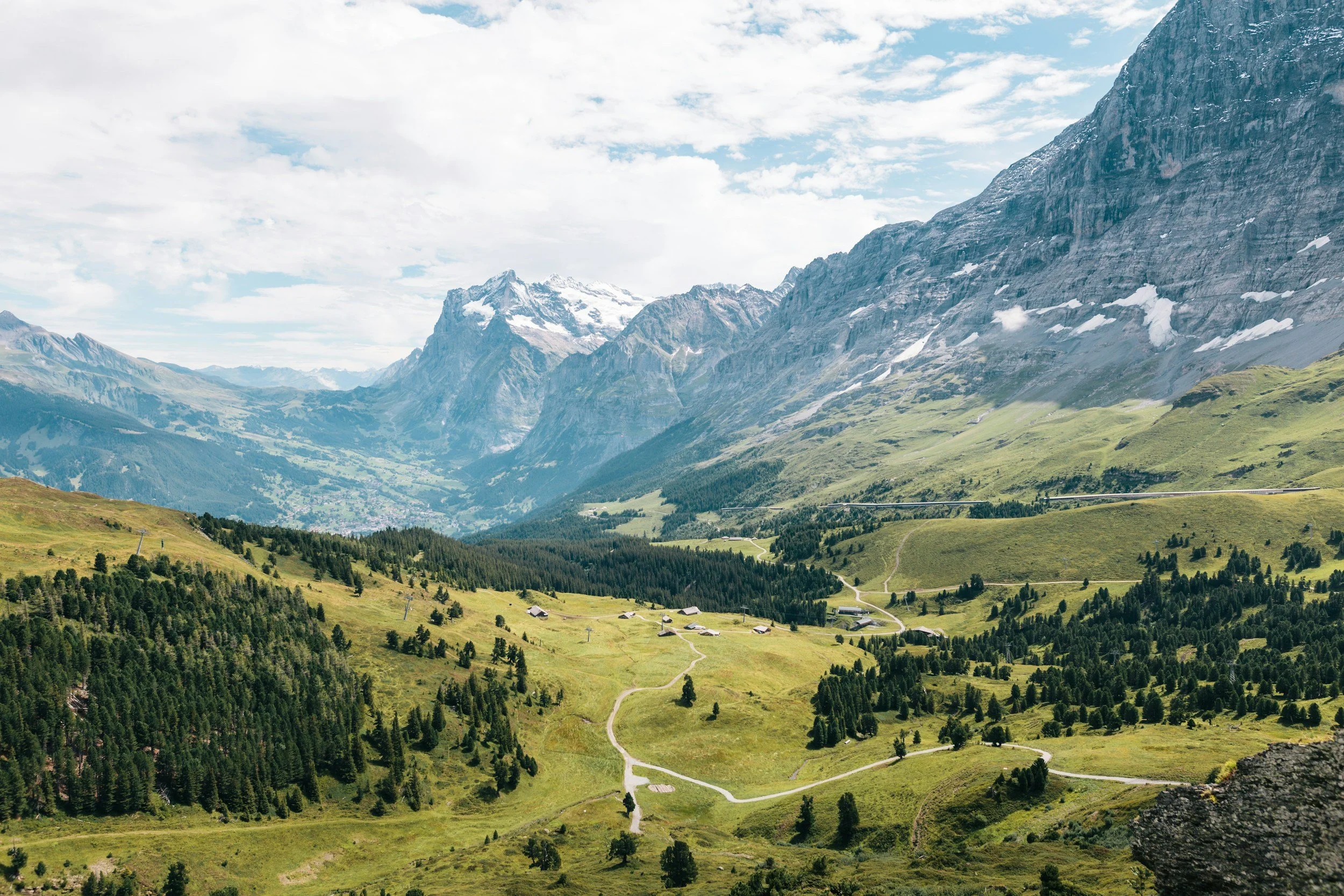
The mountains recalibrate people gently.
Not in ambition, but in noise.
Here, people quickly relearn practical things. Whether fresh snow arrived overnight higher up toward the glacier. Whether the wind coming through the pass will turn the trails cold by late afternoon. Whether you packed enough layers before leaving the house in the morning.
The mountains have little patience for performance. And after a few days here, most people seem to respect that.
Conversations simplify. Appetites return. Sleep becomes deeper and less negotiated. Entire afternoons pass outdoors without anyone particularly concerned about the time.
This house remained in our family long before it became a place for guests. In winter, climbers and mountain guides would appear at the door unexpectedly after storms. Suppers expanded naturally depending on who had arrived late from the trails. Boots crowded entryways overnight. Weather forecasts were discussed with more seriousness than politics.
Many traditions live on: there is still fresh baked bread and house-made confiture in the afternoons in magical unending quantity. Someone inevitably asks for a second helping of soup before dinner after a cold day outside. On clear evenings, guests gather quietly near the windows just as the last light leaves the peaks above Argentière.
No one announces these moments while they are happening. That may be part of why they matter.
Over the years, we have come to believe that people return to the mountains not only for the sport and scenery, but for the relief of remembering how little is actually necessary for a good day.
And perhaps that is what my grandfather understood all along.
Every property has a story to share.
Through thoughtfully crafted letter series, Founder’s Letters maintains meaningful connection
to past and future guests by sharing seasonal rhythms and the atmosphere that instills longing & belonging.
Memorable places deserve memorable correspondence